Forbidden Tapes: The Case for Bootlegs as Fandom's True Foundation

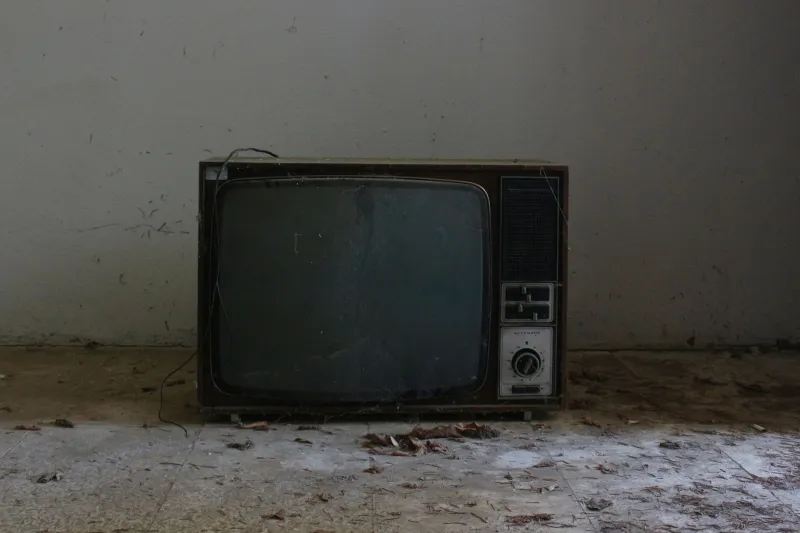
Photo: Basile Morin, CC BY-SA 4.0, via Wikimedia Commons
Let's say the quiet part loud: the entertainment industry did not build its most devoted fandoms. Smuggled VHS tapes did. Muffled audience recordings did. Files named "DO_NOT_DISTRIBUTE" did.
We've been sold a story where fandom begins with an official release, polished and marketed and delivered through proper channels. But talk to anyone deep inside any serious fan community and you'll find the origin story almost always involves something forbidden. Something hunted. Something that wasn't supposed to exist.
Scarcity Makes It Sacred
There's a rule as old as collecting: the harder something is to get, the more it means to the person who gets it.
A studio-issued box set is a purchase. A third-generation dub of a legendary concert recording, traded through the mail with a stranger who became a friend — that's a story. That tape carries the weight of the hunt. You didn't just consume it; you earned it. And everything earned gets defended, discussed, and passed down with reverence.
Grateful Dead built a religion partly on the free exchange of live recordings. Anime fandom in America literally exists because people taped shows off Japanese broadcasts, slapped amateur subtitles on them, and circulated them through fan clubs and conventions years before any company bothered with an official release. The studios didn't create those audiences. The fans did, with contraband.
The Workprint Problem
Then there's the strangest corner of bootleg culture: leaked workprints. Rough cuts, unfinished effects, temp scores, deleted scenes — production artifacts that were never meant to see daylight.
When these escape, something fascinating happens. The fandom doesn't just watch them; it canonizes them. Entire communities form around analyzing the differences between the leaked cut and the theatrical one. Fan edits emerge. Alternate versions develop their own loyal followings. In some cases, the bootleg becomes more beloved than the finished product, precisely because it feels like a glimpse behind the curtain — a secret shared between the makers and the true believers.
Marketing can't buy that. Marketing can't manufacture the feeling of being an insider. But a leaked tape? That makes every person who's seen it a member of something.
What the Industry Got Wrong
Here's my contention, and I'll defend it: bootlegging functioned as the greatest unpaid marketing operation in entertainment history.
Unofficial anime dubs seeded American fandom years before licensing deals caught up. Concert tapes turned regional acts into national legends. Imported and copied media built demand in markets the rights holders didn't even know they had. Every bootleg was a missionary, spreading the gospel into rooms no press release could reach.
The industry's response, historically, was to litigate. And sure, some enforcement was necessary. But the reflex to treat every unauthorized copy as theft ignored what most of it actually was: enthusiasm with bad logistics. Fans didn't bootleg despite loving the work. They bootlegged because the official channels were too slow, too expensive, or too absent to serve them.
The Digital Hangover
Streaming promised to end all this — everything available, everywhere, instantly. And in a weird way, abundance killed the sacred.
When a show is one click away on three platforms, nobody hunts. Nobody trades. Nobody whispers about a tape. The bootleg economy hasn't vanished, but it's migrated: to region-locked releases, to deleted scenes, to content removed from streaming and preserved only by rippers with external hard drives. The forbidden material still exists. It's just moved further underground.
And the fandoms around it are as intense as ever. Draw your own conclusions.
The lesson isn't that piracy is good or that rights don't matter. It's simpler and more uncomfortable: audiences bond most deeply with the things they had to fight to reach. Convenience built the industry. Inconvenience built the church.