One and Done: 15 TV Shows That Flickered Into Existence and Vanished
For every show that runs five seasons and gets a Netflix revival, there are dozens that barely made it to air. Pilots that tested badly. Concepts that seemed brilliant in a pitch meeting and catastrophic in execution. Projects so experimental that networks funded them out of curiosity and then quietly buried the results.
These are their stories. Or what's left of them, anyway.
1. The Adjacency (NBC, 1987)
Described in internal NBC memos (which surfaced in a 2019 archive sale) as "a drama about people who live next to important events," The Adjacency followed a rotating cast of ordinary Americans who happened to be physically near significant historical moments — but never at the center of them. The pilot featured a woman eating lunch in a diner two blocks from a presidential motorcade.
The show aired once, on a Thursday night in October 1987, to roughly 1.2 million viewers. NBC received 47 pieces of viewer mail, most of which were confused. The network quietly declined to order additional episodes.
2. Frequency Fighters (CBS, 1993)
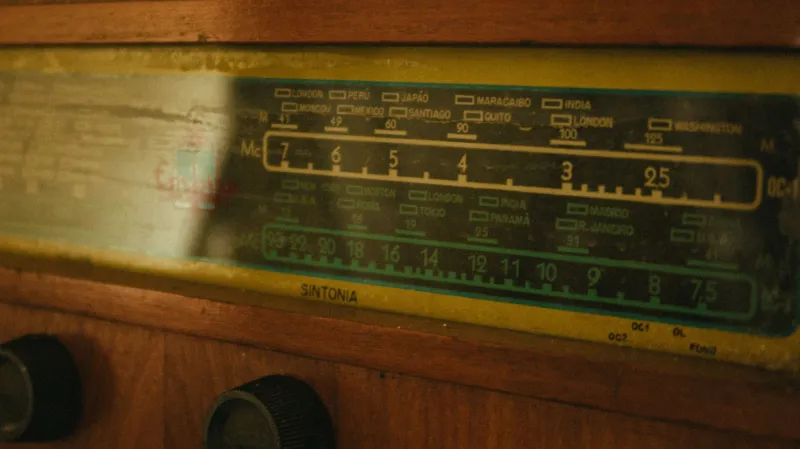
A game show built around shortwave radio. Contestants competed to identify the origin point of various radio signals while a studio audience watched them wear headphones and look increasingly frustrated. The host, a veteran radio personality named Hal Becker, described the experience in a 2021 podcast interview as "the most boring television I have ever been involved with, and I once hosted a show about watching paint dry. That was a joke, but barely."
One episode aired. CBS has never officially acknowledged it exists.
3. The Cartographer (PBS, 1991)
A gentle, hour-long documentary series about professional map-makers. PBS funded a pilot that aired in a late-night slot in three markets. Archivists at the American Archive of Public Broadcasting have a copy, and it is — by all accounts — genuinely lovely. A small but persistent fan community has been petitioning for a DVD release since 2008.
This is one of those cases where "canceled" feels like the wrong word. It simply never got the chance to exist at scale.
4. Static (Fox, 1994)
Not to be confused with several other things called Static, this Fox project was a scripted drama about a radio station that received transmissions from the future. The pilot was directed by someone who has since had a distinguished career in prestige television and asked not to be named in connection with this project.
"The concept was genuinely interesting," they told us via email. "The execution was — look, we were all very young and Fox gave us almost no money and we shot it in eleven days. It shows."
The pilot aired during a holiday weekend in December 1994 and was not picked up.
5. Household Gods (ABC, 1988)
A sitcom about a family of minor deities living in suburban New Jersey, attempting to remain relevant in the modern world. The premise sounds like it could work — and the pilot script, which circulates among TV history enthusiasts, is actually pretty funny.
The problem was the execution: the network insisted on a laugh track, the lead actor left the project two weeks before shooting, and the replacement was, by all accounts, deeply miscast. The pilot aired once. The laugh track remains the most criticized element.
6. The Signal and the Noise (Public Access, Chicago, 1996)
Strictly speaking, this wasn't a network project — it was a public access show out of Chicago that aired on cable access for exactly one episode before the host, a sound artist named Delia Voss, moved to Berlin. But the episode, which ran for ninety minutes and consisted of Voss performing a live radio frequency scan while reading from a self-published novel, has become something of a cult artifact.
A digitized copy exists on a private server maintained by a Chicago-based archivist who would only communicate with us via encrypted email.
7. The Waiting Room (NBC, 1990)
A drama set entirely in a hospital waiting room, with no doctors, no patients, and no medical storylines. Just the people waiting. The pilot followed six characters over eight hours of real-time waiting, with commercial breaks incorporated into the narrative as moments when time passed.
It was formally ambitious and almost completely uncommercial. NBC aired it at 11 p.m. on a Sunday. The ratings were, charitably, poor.
8. Collectors (A&E, 1995)
A reality show — before reality television was really a genre — following obsessive collectors of unusual objects. The pilot episode focused on a man in rural Ohio who had collected over 4,000 ceramic owls and a woman in Phoenix who collected vintage airline sick bags.
A&E passed on the series. Fifteen years later, they would air Hoarders to massive ratings. The irony is not lost on anyone.
9. Night Letters (CBS, 1992)
An anthology series structured around letters written but never sent. Each episode dramatized the circumstances of a single unsent letter. The pilot — about a letter written by a Vietnam veteran to a childhood friend — was reportedly quite affecting.
CBS aired it once and received enough positive mail to briefly consider ordering more episodes. The person who made that decision left the network before following through. The project fell through the cracks.
10. The Error Log (Syndicated, 1998)
A tech-focused news magazine show produced for syndication at the height of the dot-com boom. The hook was that each episode would focus on a significant technological failure — a bug, a crash, a product that didn't work as advertised.
The pilot aired in eleven markets. Tech companies, who were the target advertisers, were unenthusiastic about sponsoring a show about technology failing. The project was quietly shelved.
11. Borderlands (Fox, 1996)
Not the video game. This was a documentary series about communities that existed on the physical borders between US states — towns split by state lines, people who lived in one state and worked in another, the strange administrative realities of American geography.
The pilot is genuinely fascinating. It aired once, late on a weeknight, and Fox never commissioned additional episodes. The director now teaches documentary filmmaking at a university in the Pacific Northwest.
12. The Demonstration (PBS, 1985)
A performance art show. That's essentially the entire description. PBS affiliates in New York and Los Angeles aired a single pilot episode featuring four performance artists doing their thing in a studio setting, with minimal explanation or context.
Viewer response was polarized. One viewer wrote in to call it "the most important television I have ever watched." Another wrote in to call it "an insult to the medium." PBS did not commission more episodes, though it's not entirely clear which camp of viewer feedback they found more persuasive.
13. Last Frequency (Showtime, 1999)
A scripted drama about the final days of a radio station facing shutdown. The pilot is slow, melancholy, and genuinely beautiful in places. Showtime passed on it, reportedly because it "lacked narrative momentum" — a fair criticism that also kind of misses the point of what the show was trying to do.
The pilot script was published in a small literary journal in 2003. It's worth finding.
14. The Hollow Hours (UPN, 1997)
A late-night talk show with no host. Guests were interviewed by an off-camera voice, and the camera stayed fixed on the guest's face for the entire conversation. The effect was somewhere between an interrogation and a therapy session.
UPN aired two episodes before pulling the plug. The format was, in retrospect, about fifteen years ahead of a certain kind of podcast interview aesthetic.
15. Map of Static (Independent, 2001)
A web series before web series were a real thing — distributed on CD-ROM to a mailing list of about 300 subscribers, each episode a fifteen-minute experimental fiction piece set in a world where radio signals carried memories.
Only three episodes were ever made. The creator, who now works in data visualization, described it to us as "the best thing I ever made that nobody ever saw. Which is both the tragedy and the point, I think."
We think that description applies to most of what's on this list.
Got a lead on a lost pilot or a shelved project we should know about? We're always listening. Find us at codotaasxh.com.