Sell It Weird: The Local Commercials That Outlived the Businesses That Made Them
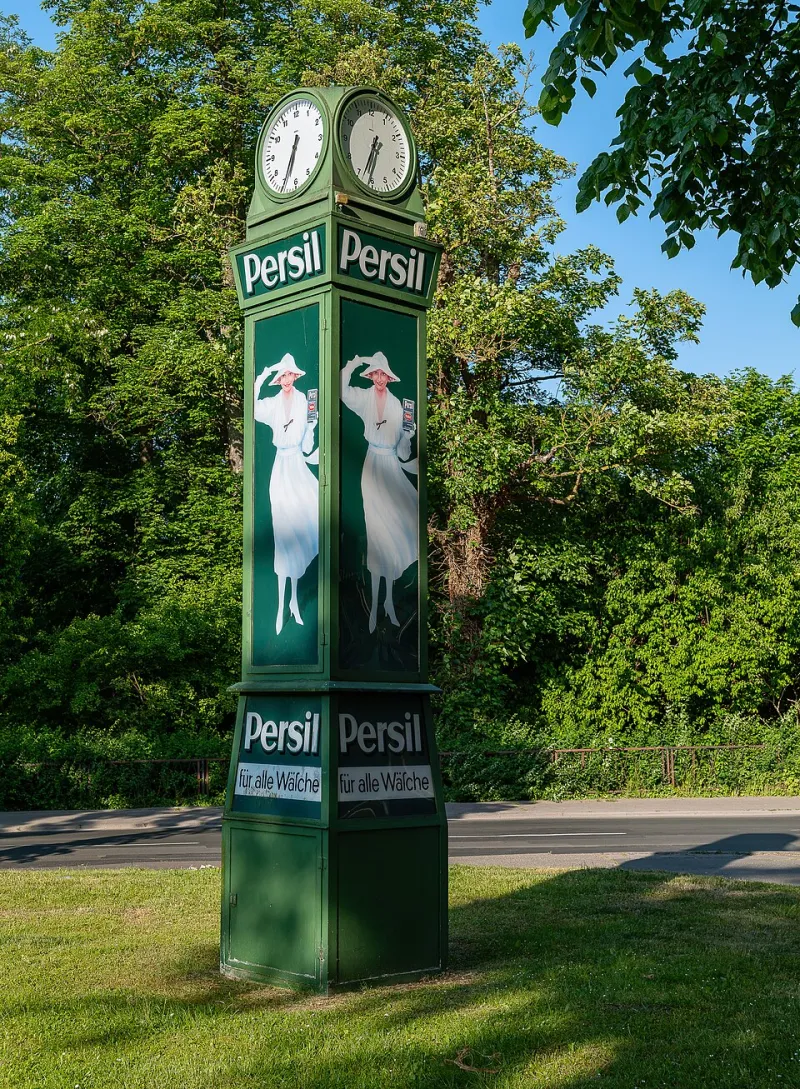
Photo: Rolf Kranz, CC BY-SA 4.0, via Wikimedia Commons
Somewhere in a film vault — or more likely a digitized tape labeled "COMMERCIALS 1987" — sits the most durable advertising work ever produced in America. It cost $400. It was shot in one afternoon. The business it advertised no longer exists.
And yet people are quoting it right now, today, on the internet.
Local TV commercials were never supposed to last. They were filler between network programming, made fast and cheap by small production crews and business owners with more confidence than training. But something about the constraints — no budget, no focus groups, no time — produced a strain of advertising so unpolished it looped back around to art. Here are twelve that achieved the immortality their makers never intended.
1. The Car Lot Screamers
Every region had one: the local auto dealer who personally starred in their own ads, yelling. Not performing. Yelling. Volume as a substitute for production value. The best of these became regional folklore, with residents able to recite taglines decades after the dealership closed. The formula was accidentally perfect — a real, unrepeatable human personality, captured on tape, impossible for a corporate agency to fake.
2. The Furniture Store Jingle That Refused to Die
Some jingles are songs. The great local ones are earworms with no exit strategy. A four-line melody about mattresses, recorded in a basement studio, burrowed into an entire metro area's brain and stayed there for two generations. People who moved away report hearing it in their dreams. That's not marketing. That's haunting.
3. The Horror-Host-Adjacent Spots
Local ads that aired during late-night monster movies absorbed some of the energy of what surrounded them. Cheap spook effects, dry ice, a mascot with teeth slightly too realistic. These aired once at 1 AM and then lived on in the memories of every kid who couldn't sleep afterward — memories vivid enough that archivists get emails begging them to "find the pizza place commercial with the skeleton."
4. The One-Take Restaurant Ads
A owner standing in their own kitchen, holding up the actual food, reading cue cards badly. No cuts. No music. Just sincerity delivered at a frequency modern advertising cannot produce. When these resurface on YouTube, the comments are always the same: "I ate there as a kid" and "why is this so comforting?"
5. The Regional Mascot Crimes
Some local mascots were normal. Others were creatures of nightmare — oversized heads, dead eyes, costumes that fit like a crime scene. The most disturbing ones became the most beloved, because a mascot that unsettles you is a mascot you never forget. Several now have fan art. One has, we're told, a tattoo.
6. The Grand Opening That Never Ended
Ads for businesses announcing grand openings, shot with such low production values that the "grand" is entirely in the announcer's voice. These survive as accidental documentaries of a specific American optimism — the belief that a strip mall storefront was the beginning of something.
7. The Service Ads That Told a Whole Story
Plumbers, lawyers, septic companies — some produced ads with plots. Miniature dramas, complete with conflict and resolution, all in thirty seconds, all starring the actual staff. These are the ones film students study now. Unironically.
8. The Holiday Specials
Local businesses attempting festive themed ads, usually with one employee in a Santa suit and a set decorated in a single afternoon. The charm is in the effort. The memes are in the execution.
9. The Testimonial Disasters
Real customers, real quotes, real awkwardness. Nothing sells like a neighbor saying they liked a product, and nothing endures like a neighbor saying it with the on-camera confidence of a hostage.
10. The Jingle Sequels
Some businesses, drunk on the success of one jingle, commissioned follow-ups. Songs with narratives. Characters with arcs. All for a heating and cooling company.
11. The Animated Bargains
Local animation, done cheap, looks like nothing else — wobbling line work, mouths that don't sync, a mascot walking in place forever. These ads are now prized by animation fans precisely because they were handmade by people figuring it out as they went.
12. The Send-Up That Became Real
Finally, the ads that were intentionally weird — local businesses leaning into the absurd because they knew weird got remembered. They were right. But even they couldn't have predicted their ads would outlive the business, the building, and the broadcast era itself.
Why We Keep Watching
Here's the thing these ads had that modern advertising can't buy: they were made by people who were visibly trying. No agency polish, no data-tested messaging — just a local business owner, a camcorder, and hope. That sincerity, however mangled, is what makes them immortal. The brands wanted sales. They got folklore. Honestly, they got the better deal.